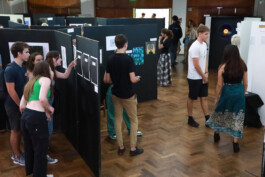
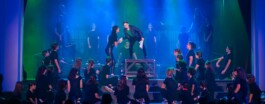


The subjects and different artistic practices are valuable at all levels, as they contribute to the holistic growth of students, encouraging creativity, self-expression, critical thinking and cultural appreciation throughout their journey from K2 to Y12.

One of the main objectives of artistic education is to create a continuous and consistent path from K2 to Y12, so that students live a real learning experience, being protagonists of the educational process.
We have subjects, both curricular and extracurricular, as well as elective workshops at all levels.
Music guides students in all stages of their learning and is key to comprehensive development.
Kinder
In Kindergarten, musical contact from a playful point of view helps children increase their memory, attention and concentration capacity; It is a way of expressing themselves and gives them the opportunity to interact with each other.
Primary
In Primary they listen to musical works, identify instruments and human voices and sing a wide repertoire of children's, traditional, folkloric, popular and universal themes. They play percussion instruments, and participate in musical productions.
Secondary
In Secondary, skills classes are offered in which they learn to read, write music, transcribe simple rhythms, melodies and harmonies.
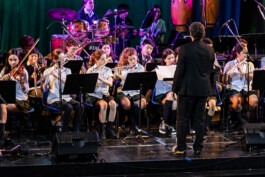
And band classes in which they learn to play mainly the flute, clarinet, sax, trumpet and trombone and develop the skills of each instrument.
This program continues until Y10, since from Y11 they can choose to continue with IB Music.
Kinder & Primary
They learn about color, design, perspective and balance. Visual arts help students represent their thoughts and abilities, and also help them explore.
Secondary
They examine the work of artists from different cultural contexts, different techniques of artistic creation, investigate and compare
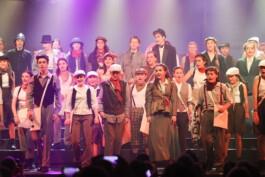
Drama classes help improve self-confidence, self-esteem, self-expression, communication, collaboration, interpersonal skills, and aesthetics. It also helps develop tolerance and empathy.
In Drama classes we encourage them to actively learn through the English language.
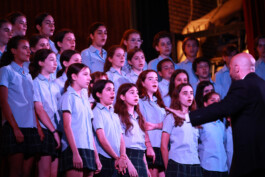
The choir develops a sense of belonging, offers new learning opportunities, encourages participation and teamwork. At the school there are four choirs: Junior Choir, Intermediate Choir, Senior Choir and Chamber Choir which allow students to work on their vocal skills according to their age and choice. Choirs represent the school at meetings and festivals.
It begins in primary school for Y4, Y5 and Y6 students, where students develop the foundations of musical theory and practice.
In secondary school, Y7, Y8 and Y9 students can join the Intermediate Band, where they improve their skills and prepare for more advanced challenges.
Finally, Y10, Y11 and Y12 they have the opportunity to join the Concert Band and the select Jazz Combo, where they explore complex repertoires and improvisation.
This extracurricular activity not only encourages teamwork and improves cognitive skills and discipline, but also increases students' self-esteem, promoting comprehensive and enriching development.
Visual Arts
In addition to exploring and comparing the visual arts from different perspectives and in different contexts, students are expected to engage, experiment and reflect critically on a wide range of contemporary media and practices. The course is designed for those who wish to continue their studies of visual arts in higher education, becoming creators and consumers of visual culture.
Theater (Drama)
It is a multifaceted course that provides the opportunity to do theater as creators, designers, directors and actors. Emphasizes the importance of working individually and collaboratively as a member of a team.
It encourages them to understand that through the processes of research, creation, preparation, presentation, and reflection, they can better understand themselves, the community, and the world.
Music
They develop their knowledge and potential as musicians, both on a personal and collaborative level.
Students create, participate in, and reflect on music from their own and others' backgrounds. They develop practical and communication skills that give them the opportunity to engage in music and enhance their appreciation and enjoyment.
Film
It aims to develop students as performers and creators of cinematic works. Through the study and analysis of texts and practical production exercises, they develop artistic, cultural, historical and global skills and perspectives on cinema.
They experiment with film and multimedia technology, acquiring the creative skills and competencies necessary to communicate successfully.
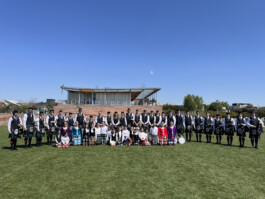
The Scottish Legacy program was created with the aim of preserving and strengthening our Scottish Legacy, by teaching and practising of traditional Scottish music and dance. Its mission is to keep our Scottish roots, traditions and values alive. This initiative has a scope inside and outside the school: it articulates transversally throughout the SASS sectors and with CASA.


The subjects and different artistic practices are valuable at all levels, as they contribute to the holistic growth of students, encouraging creativity, self-expression, critical thinking and cultural appreciation throughout their journey from K2 to Y12.

One of the main objectives of artistic education is to create a continuous and consistent path from K2 to Y12, so that students live a real learning experience, being protagonists of the educational process.
We have subjects, both curricular and extracurricular, as well as elective workshops at all levels.
Music guides students in all stages of their learning and is key to comprehensive development.
Kinder
In Kindergarten, musical contact from a playful point of view helps children increase their memory, attention and concentration capacity; It is a way of expressing themselves and gives them the opportunity to interact with each other.
Primary
In Primary they listen to musical works, identify instruments and human voices and sing a wide repertoire of children's, traditional, folkloric, popular and universal themes. They play percussion instruments, and participate in musical productions.
Secondary
In Secondary, skills classes are offered in which they learn to read, write music, transcribe simple rhythms, melodies and harmonies.
And band classes in which they learn to play mainly the flute, clarinet, sax, trumpet and trombone and develop the skills of each instrument.
This program continues until Y10, since from Y11 they can choose to continue with IB Music.
Kinder & Primary
They learn about color, design, perspective and balance. Visual arts help students represent their thoughts and abilities, and also help them explore.
Secondary
They examine the work of artists from different cultural contexts, different techniques of artistic creation, investigate and compare
Drama classes help improve self-confidence, self-esteem, self-expression, communication, collaboration, interpersonal skills, and aesthetics. It also helps develop tolerance and empathy.
In Drama classes we encourage them to actively learn through the English language.
The choir develops a sense of belonging, offers new learning opportunities, encourages participation and teamwork. At the school there are four choirs: Junior Choir, Intermediate Choir, Senior Choir and Chamber Choir which allow students to work on their vocal skills according to their age and choice. Choirs represent the school at meetings and festivals.
It begins in primary school for Y4, Y5 and Y6 students, where students develop the foundations of musical theory and practice.
In secondary school, Y7, Y8 and Y9 students can join the Intermediate Band, where they improve their skills and prepare for more advanced challenges.
Finally, Y10, Y11 and Y12 they have the opportunity to join the Concert Band and the select Jazz Combo, where they explore complex repertoires and improvisation.
This extracurricular activity not only encourages teamwork and improves cognitive skills and discipline, but also increases students' self-esteem, promoting comprehensive and enriching development.
Visual Arts
In addition to exploring and comparing the visual arts from different perspectives and in different contexts, students are expected to engage, experiment and reflect critically on a wide range of contemporary media and practices. The course is designed for those who wish to continue their studies of visual arts in higher education, becoming creators and consumers of visual culture.
Theater (Drama)
It is a multifaceted course that provides the opportunity to do theater as creators, designers, directors and actors. Emphasizes the importance of working individually and collaboratively as a member of a team.
It encourages them to understand that through the processes of research, creation, preparation, presentation, and reflection, they can better understand themselves, the community, and the world.
Music
They develop their knowledge and potential as musicians, both on a personal and collaborative level.
Students create, participate in, and reflect on music from their own and others' backgrounds. They develop practical and communication skills that give them the opportunity to engage in music and enhance their appreciation and enjoyment.
Film
It aims to develop students as performers and creators of cinematic works. Through the study and analysis of texts and practical production exercises, they develop artistic, cultural, historical and global skills and perspectives on cinema.
They experiment with film and multimedia technology, acquiring the creative skills and competencies necessary to communicate successfully.
The Scottish Legacy program was created with the aim of preserving and strengthening our Scottish Legacy, by teaching and practising of traditional Scottish music and dance. Its mission is to keep our Scottish roots, traditions and values alive. This initiative has a scope inside and outside the school: it articulates transversally throughout the SASS sectors and with CASA.